
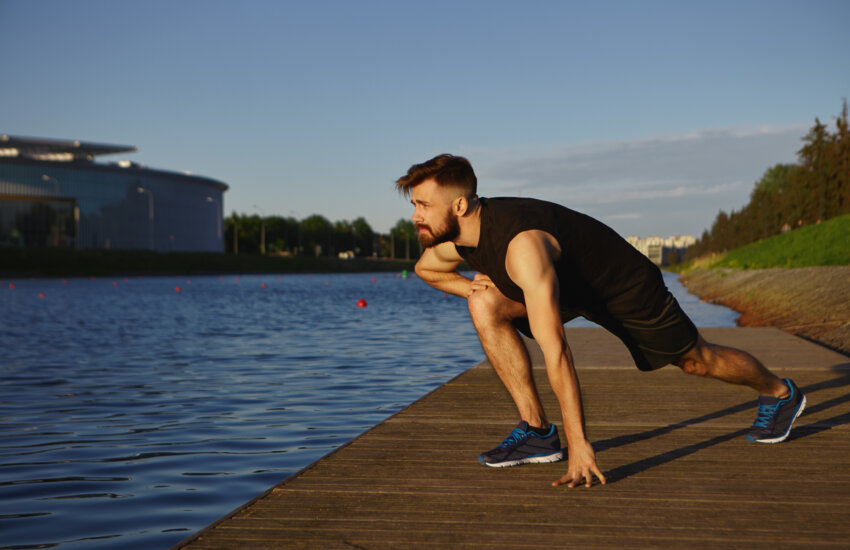
Exercise is A Powerhouse Therapy for Prostate Cancer
Men Listen up…
Moving your body is no longer just “good advice” it is a clinical necessity. Exercise is a critical, evidence-based intervention for men with prostate cancer, acting as “medicine” to reduce treatment side effects, combat fatigue, and potentially slow disease progression. Exercise is also recognised as a primary tool to improve and reclaim quality of life during and after prostate cancer treatment.
Why Exercise Works…
Scientific research shows that consistent movement creates a hostile environment for cancer cells while protecting your healthy ones.
Exercise can help to counteract treatment side effects:
Resistance training prevents the muscle loss and bone thinning (osteoporosis) often caused by hormone therapy (ADT). Increased blood flow from exercise can make radiation and chemotherapy more effective by delivering more oxygen to the tumor site.
Key Benefits:
- Anti-Tumor Effects: Exercise can help to lower levels of insulin and insulin-like growth factor (IGF-1), which are associated with cancer growth.
- Biological Changes: Regular activity alters the systemic environment, reducing inflammation and increasing myokines (molecules released by muscles) that can suppress tumor growth.
- Mitigating ADT Side Effects: Exercise reverses muscle loss, helps manage weight gain, and combats fatigue caused by hormone therapy.
- Improved Survival: Regular, moderate-to-vigorous exercise is linked to improved survival rates and a reduced risk of cancer recurrence.
- Mental Health: Exercise reduces depression and anxiety, boosting emotional well-being and for many, improving libido.
The Bottom Line:
A balanced “Prescription for Movement” includes three pillars:
- Aerobic, Brisk walking, cycling, or swimming to regulate insulin and reduce inflammation.
- Strength (2–3 days/week) Using weights or bands, to maintain metabolism, bone density and strength.
- Pelvic Floor Exercises – Targeted “Kegel” exercises to support bladder control following surgery or radiation.
Whether you are walking for 10 minutes or lifting weights, movement is medicine. It reduces fatigue, eases anxiety, and gives you an active role in recovery. Contact us today to work with one of our Trainers to ensure you get the specialist help in rebuilding your health.